
If you've been told you have PCOS, or suspect you might have it, you're not alone. Polycystic ovary syndrome (PCOS) is one of the most common hormone-related conditions affecting women, but many people with PCOS find that information online can be overwhelming, confusing, and sometimes inaccurate. In this first part of our two-part blog series, we’ll help cut through the noise by explaining what PCOS is, what's happening with your hormones, and what it means for your overall health and fertility.
It’s important to note that PCOS can only be diagnosed by a physician, so talk to your doctor if you think you may have this condition.
What is PCOS?
PCOS is a condition that affects your hormones and how your ovaries work. It's usually diagnosed when you have at least two of these three main features:
- Irregular periods – your periods may be very heavy, and your menstrual cycle might be unpredictable, with periods that come infrequently or not at all
- Excess androgens – higher than normal levels of 'male' hormones (like testosterone)
- Polycystic ovaries – your ovaries may contain many small fluid-filled sacs (follicles)
There are a few different ways that PCOS can present:
- Insulin-resistance-related PCOS (most common) – symptoms are linked to the body not responding well to insulin
- Inflammatory-related PCOS – symptoms are associated with ongoing low-grade inflammation in the body
- Adrenal-related PCOS – symptoms may be linked to higher stress hormones produced by the adrenal glands
- Lean PCOS – PCOS in people with a lower body weight, often influenced by genetics; insulin resistance may still be present even when glucose tests are normal
- Post-pill PCOS-like symptoms – temporary symptoms that can appear after stopping hormonal contraception
It's important to know that PCOS looks different for everyone. You might experience some symptoms but not others, and the severity can vary from person to person.
Common symptoms
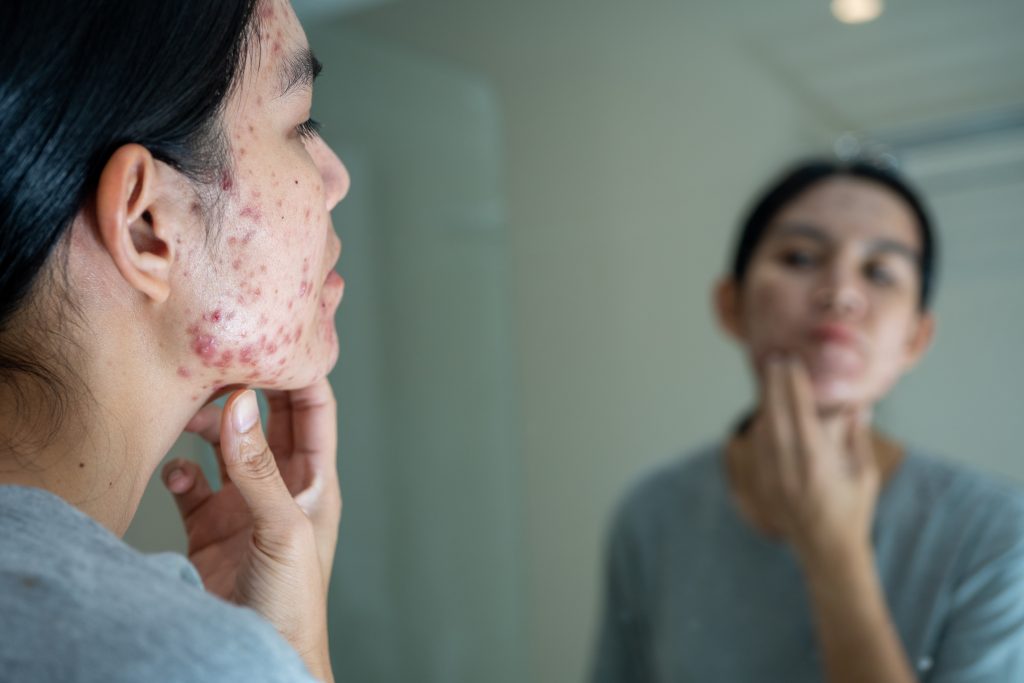
The most visible symptoms of PCOS can include:
- Acne or oily skin
- Excess hair growth on the face, chest, or back
- Thinning hair on your head
- Weight gain or difficulty losing weight
- Irregular or absent periods
Potential impact on long-term health
While not everyone with PCOS will develop complications, there is an increased risk of certain conditions, including type 2 diabetes, high blood pressure, high cholesterol, heart disease, and endometrial cancer. This doesn't mean these conditions are inevitable, but it does mean proactive monitoring and management are important.
What's Happening with Your Hormones?
Understanding the hormone changes in PCOS can help explain why you're experiencing certain symptoms. Let's break down the two main hormonal issues:
1. High androgen levels
Androgens (e.g. testosterone), are often called 'male' hormones, but women naturally produce them too, just in smaller amounts. With PCOS, your body produces more androgens than usual, and this has several effects:
Impact on ovulation: High androgen levels can disrupt the normal development of eggs in the ovaries.Normally, one egg matures and is released each month during ovulation. With PCOS, eggs may not fully mature or may not be released at all.
Some people with PCOS may still experience bleeding even when ovulation does not occur. However, this bleeding is often irregular and hormonally unbalanced. Regular menstrual cycles are important because they help protect the uterine lining and reduce the risk of endometrial cancer.
Visible symptoms: The excess androgens are also responsible for some of the most noticeable PCOS symptoms like acne, excess facial and body hair, and thinning hair on your head.
2. Insulin resistance
Around 70% of people with PCOS are resistant to insulin. But what does this actually mean?
Insulin is a hormone that helps your body use sugar from food for energy. If you're insulin resistant, your body doesn't respond to insulin as well as it should, so your pancreas makes even more insulin to try to compensate. These higher insulin levels can then trigger your ovaries to produce more testosterone (an androgen), creating a cycle that worsens PCOS symptoms.

Insulin resistance can also make it harder to manage your weight and increases your risk of developing type 2 diabetes. This is why lifestyle changes that reduce your resistance to insulin are often recommended as part of PCOS management.
How Does PCOS Affect Fertility?
Because PCOS affects ovulation, it can make it more challenging to get pregnant naturally. If you're not ovulating regularly (or at all), there are fewer opportunities for an egg to be fertilised.
However, here's the important part: having PCOS does not mean that you can’t have children. While PCOS isn't curable, there are many lifestyle changes and treatments that can significantly increase your chances of conceiving. With the right support and treatment, most women with PCOS are able to get pregnant.
Conclusion
PCOS affects everyone differently. You may experience some symptoms more than others, and these may change over time. The key is to stay informed, track your symptoms, and work closely with your healthcare team.
If you haven't already, ask your doctor about getting tested for insulin resistance. This simple test can provide valuable information about your metabolism and guide treatment decisions. Consider speaking with a nutritionist who specialises in PCOS - they can help you create a sustainable eating plan tailored to your needs and preferences.
Now that you have a clear understanding of what PCOS is, and how it affects your hormones, health and fertility, you can explore what to do next. In Part 2 of this series, we look at practical steps for managing PCOS, including lifestyle changes, supplements, and treatments that may help you feel more in control of your symptoms.
Continue reading Part 2: PCOS Explained (Part 2): How to Manage Your Symptoms.
And if you're thinking about your fertility, don't hesitate to ask your doctor questions. Whether you're planning to try for a baby soon or want to preserve your options for the future, understanding your fertility with PCOS will help you make informed decisions that are right for you. To find out more about fertility in general, click here.